
Every summer, streets across the United Kingdom burst into colour. Rainbow flags wave from balconies, glitter fills the air, and thousands march in celebration and protest. But LGBTQ+ Pride in the UK is more than a parade — it is a powerful reminder of history, resilience, and the ongoing fight for equality.
From its roots in activism to its place in modern British culture, Pride in the UK tells a story of progress, community, and unfinished work.
The History of Pride in the UK
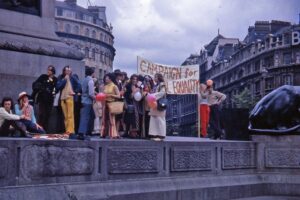
The UK’s first official Pride march took place in London in 1972, inspired by the 1969 Stonewall uprising in New York. Organised by the Gay Liberation Front, around 700 people marched through the capital demanding equal rights and visibility.
Pride Today: Celebration and Visibility
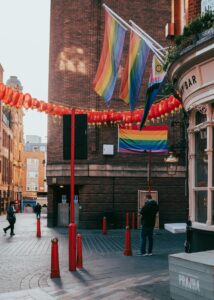
Today, Pride events take place in cities and towns across the UK — from major celebrations in London, Manchester, Brighton, and Birmingham to smaller community-led events in rural areas.
Modern Pride events often include:
-
Parades and marches
-
Live music and performances
-
Drag shows
-
Community stalls and charities
-
Political speeches
-
Youth and family-friendly spaces
London Pride attracts hundreds of thousands of attendees each year, making it one of the largest Pride events in Europe. Manchester Pride and Brighton Pride are also internationally recognised for their scale and energy.
For many, Pride is a moment of joy — a chance to live openly, meet others, and feel part of a supportive community.
Pride Beyond the Big Cities
Although London, Manchester, and Brighton often dominate headlines, Pride events now take place across the UK — including in smaller towns where visibility can be life-changing.
In more rural or conservative areas, Pride can:
-
Provide safe spaces for isolated individuals
-
Challenge local prejudice
-
Encourage schools and businesses to become more inclusive
-
Strengthen community solidarity
The growth of regional Pride events shows how far the movement has expanded since 1972.
Why Pride Still Matters
For older generations, Pride is a reminder of battles fought and rights won. For younger people, it can be the first time they see their identity celebrated publicly.
For someone who has faced rejection or discrimination, standing in a sea of rainbow flags can be transformative. It sends a simple but powerful message:
You are not alone.
Pride is about visibility, but also about solidarity. It is about remembering those who came before — activists, campaigners, and community members — and continuing their work.
Looking Ahead
The future of Pride in the UK will likely continue to evolve. As conversations around gender identity, inclusion, and global LGBTQ+ rights develop, Pride will remain a space for dialogue and action.
More than fifty years after the first march in London, Pride remains both a celebration of how far the UK has come and a reminder of the work still to be done.
Because Pride is not just a party.
It is history.
It is resistance.
It is community.
And it is hope.